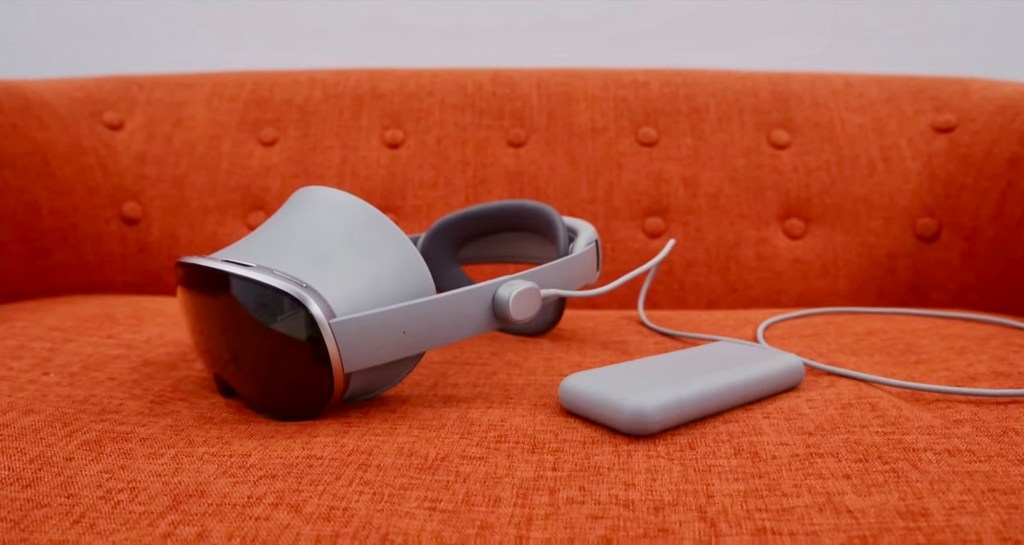
The world of virtual and augmented reality is evolving rapidly. Samsung and Google have recently unveiled a promising collaborative effort with their new prototype XR (Extended Reality) headset, Project Moohan. Positioned as the first Android XR headset, this device could be a pivotal moment in bridging the fragmented landscape of VR and mixed reality headsets.
Here’s an in-depth look at what Project Moohan brings to the table and why it matters.
A Vision Pro Lookalike? Yes, But Different
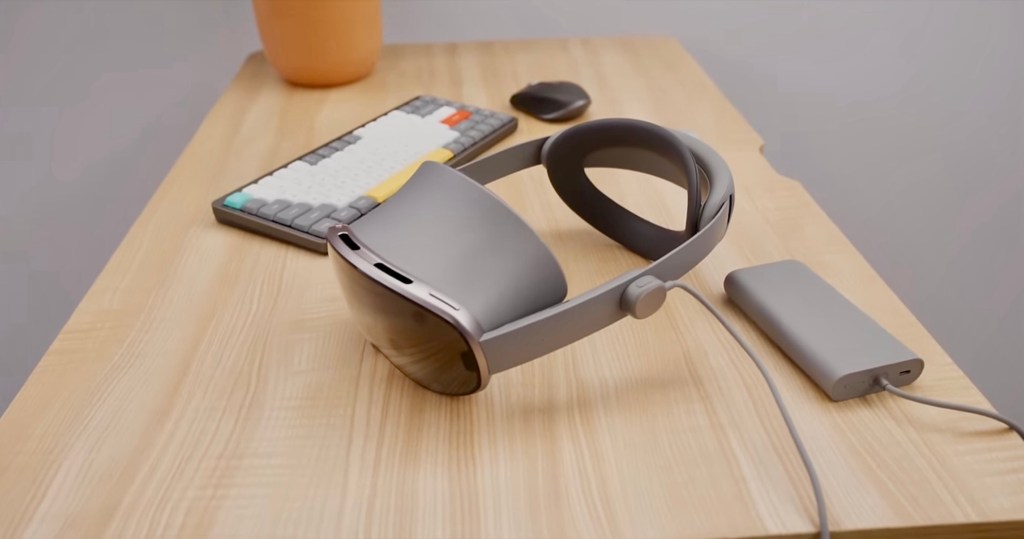
It’s hard to ignore the similarities between Samsung’s Project Moohan and Apple’s Vision Pro. From the light-colored fabrics to the large reflective front glass, the resemblance is obvious. However, there are several key differences:
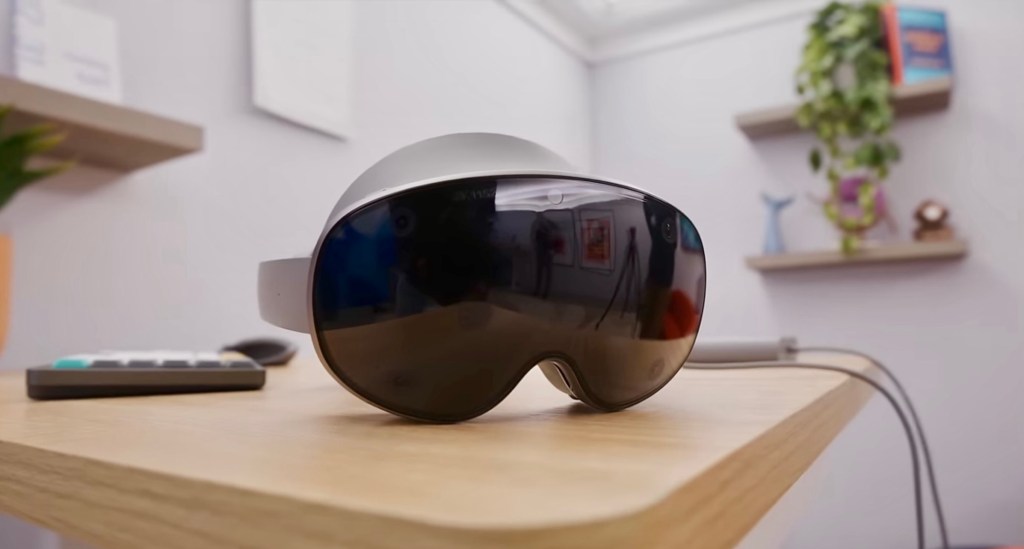
1. No External Display: Unlike Vision Pro, which shows the wearer’s eyes through an external display, Project Moohan skips this feature entirely.
2. Back Cup and Snug Fit Dial: Inspired by the now-discontinued Meta Quest Pro, the headset has a back cup with a dial for snug fit adjustments, placing most of the pressure on the user’s brow rather than below the eyes.
3. Removable Light Shield: This magnetic shield allows users to block out external light for a fully immersive experience or remove it for better peripheral vision.
Hardware Design and Build
The front metallic frame houses the headset’s computer components, including a Snapdragon chip and fans with exhaust vents to manage heat. Sensors and cameras are positioned all around the headset for advanced tracking, and a touchpad on the side strap allows additional user interaction.
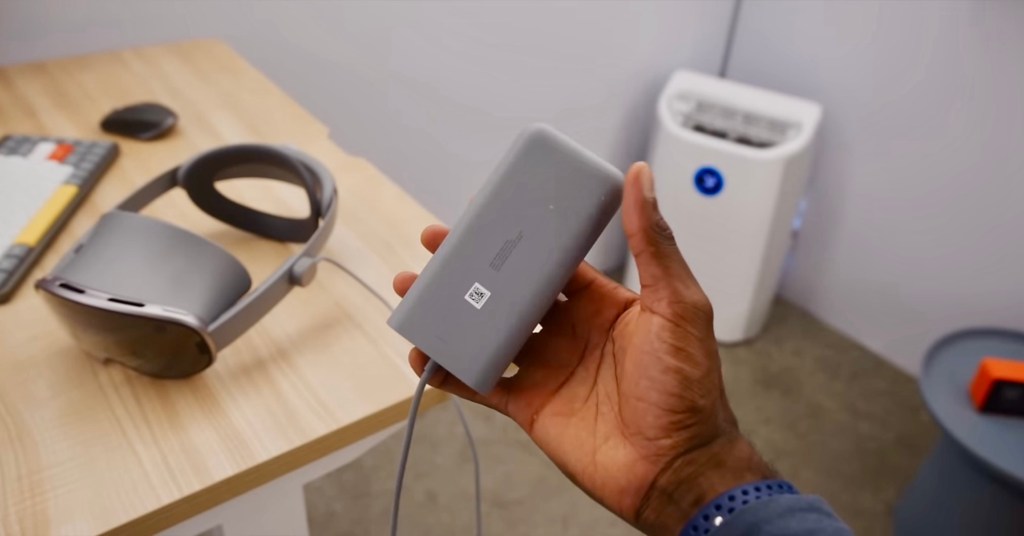
Perhaps one of the smartest design choices is the external battery pack connected via USB-C. Unlike Apple’s fixed cable, this setup allows users to swap out batteries or connect third-party options for longer usage.
The Power of Android XR
Project Moohan isn’t just about hardware; it’s about creating a robust software ecosystem. Google’s Android XR, much like the Nexus/Pixel strategy for smartphones, aims to be a foundational platform for XR devices. This approach could solve the current fragmentation issue in the XR space by offering a unified software base for third-party headset manufacturers.
Key features of Android XR include:
1. Hand and Eye Tracking: The headset seamlessly supports hand gestures without requiring controllers, though it will likely support them for certain use cases.
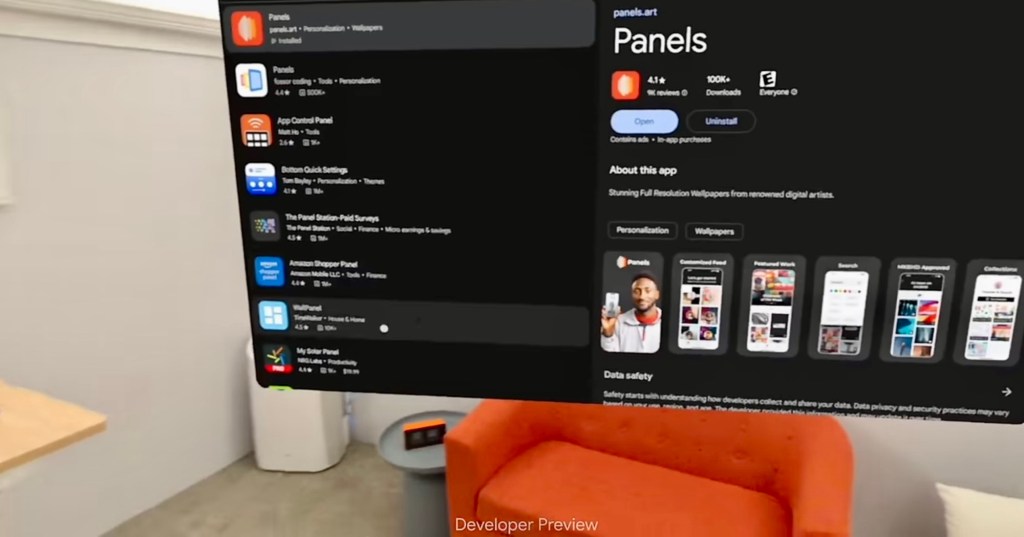
2. Flexible App Scaling: Android phone and tablet apps from the Google Play Store work right out of the box. Users can resize and reposition windows freely in 3D space.
3. Spatial Apps: Optimized apps, such as a spatial version of YouTube, deliver immersive multi-window experiences.
4. Peripherals Integration: Smooth switching between Bluetooth keyboards, mice, and hand gestures offers flexibility for productivity and gaming alike.
The Game-Changing Gemini AI Integration
One of the standout features is the integration of Gemini Live, Google’s powerful conversational AI. This multimodal assistant not only interacts with users verbally but also “sees” what the user sees through the headset’s cameras.
Some practical applications include:
• Contextual Information: Gemini can identify objects in the environment, translate signs, and provide trivia about what you’re looking at.
• UI Navigation: Users can ask Gemini to organize windows, close apps, or perform searches, significantly reducing hand fatigue.
• Circle-to-Search: A futuristic feature that lets users draw a circle in real life to search for an object within that circle on Google.
Though still buggy, this feature hints at the immense potential for augmented reality in everyday tasks.
Potential Advantages Over Vision Pro
• AI Integration: Unlike Apple’s Vision Pro, which lacks AI features, Project Moohan’s Gemini Live offers powerful conversational and contextual interactions.
• More App Availability: With access to the Google Play Store, the headset supports a wide range of apps from day one.
• Modular Battery System: USB-C connectivity allows users to swap batteries easily for extended usage.
Final Thoughts
Project Moohan feels like a concept car for the future of XR. It showcases ambitious ideas about how headsets should function and integrate with AI. If this is Samsung and Google’s “Pixel 1” of XR, there’s plenty of room for growth and innovation, especially as more spatial apps and third-party headsets adopt Android XR.
With a release planned for this year, Project Moohan could be a significant step toward fixing the fragmented XR market and bringing the immersive future of mixed reality closer to reality.
Stay tuned for more updates as Samsung and Google continue refining this promising device.
What do you think about Project Moohan? Will it reshape the XR landscape? Let us know your thoughts.
 Vibe & Tech
Leave a comment